MERN Stack Development: What It Is and When a Business Should Use It
A plain-English guide to MERN stack development: what MongoDB, Express, React, and Node.js each do, where MERN fits, and when another stack is the better call.
If a developer proposes a "MERN stack" for your project, you do not need to learn to code to judge whether that is a sensible choice. You only need to know what the four parts do and what kinds of products they suit.
What MERN stands for
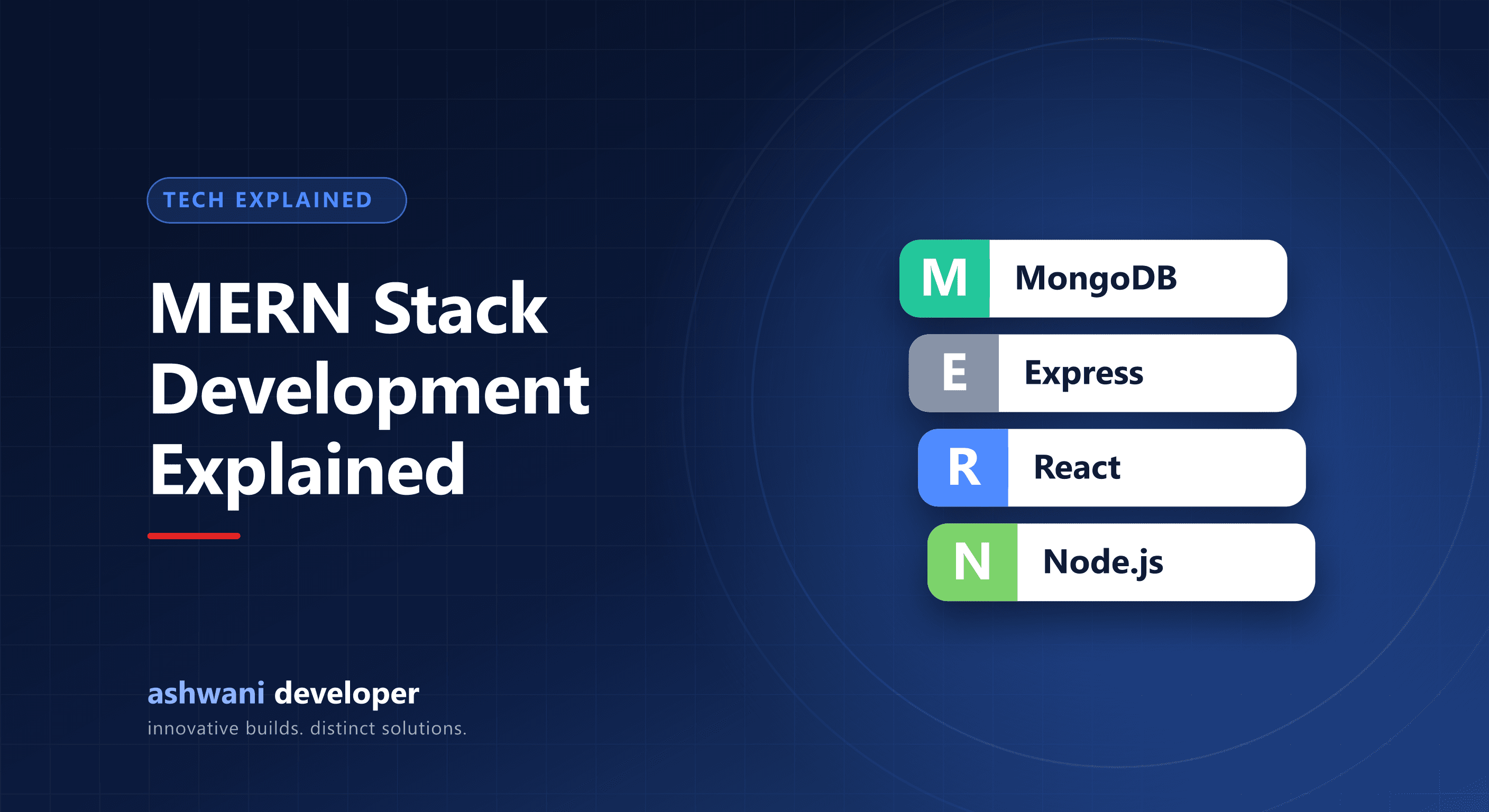
- MongoDB: the database that stores your data, such as users, orders, and leads, in flexible documents.
- Express.js: a lightweight framework for building the server's API.
- React: the library used to build the user interface people see and click.
- Node.js: the runtime that lets JavaScript run on the server.
The big advantage is that everything uses JavaScript. One language across the browser, server, and database layer makes it easier to share skills, validation logic, and tooling.
How the parts work together
A user opens a page built with React. When they log in or submit a form, React sends a request to the API written in Express on Node.js. The API checks permissions, reads or writes data in MongoDB, and returns a response, which React displays. Next.js is often added on top of React for server rendering and better SEO, which is how this website is built.
What MERN is good for
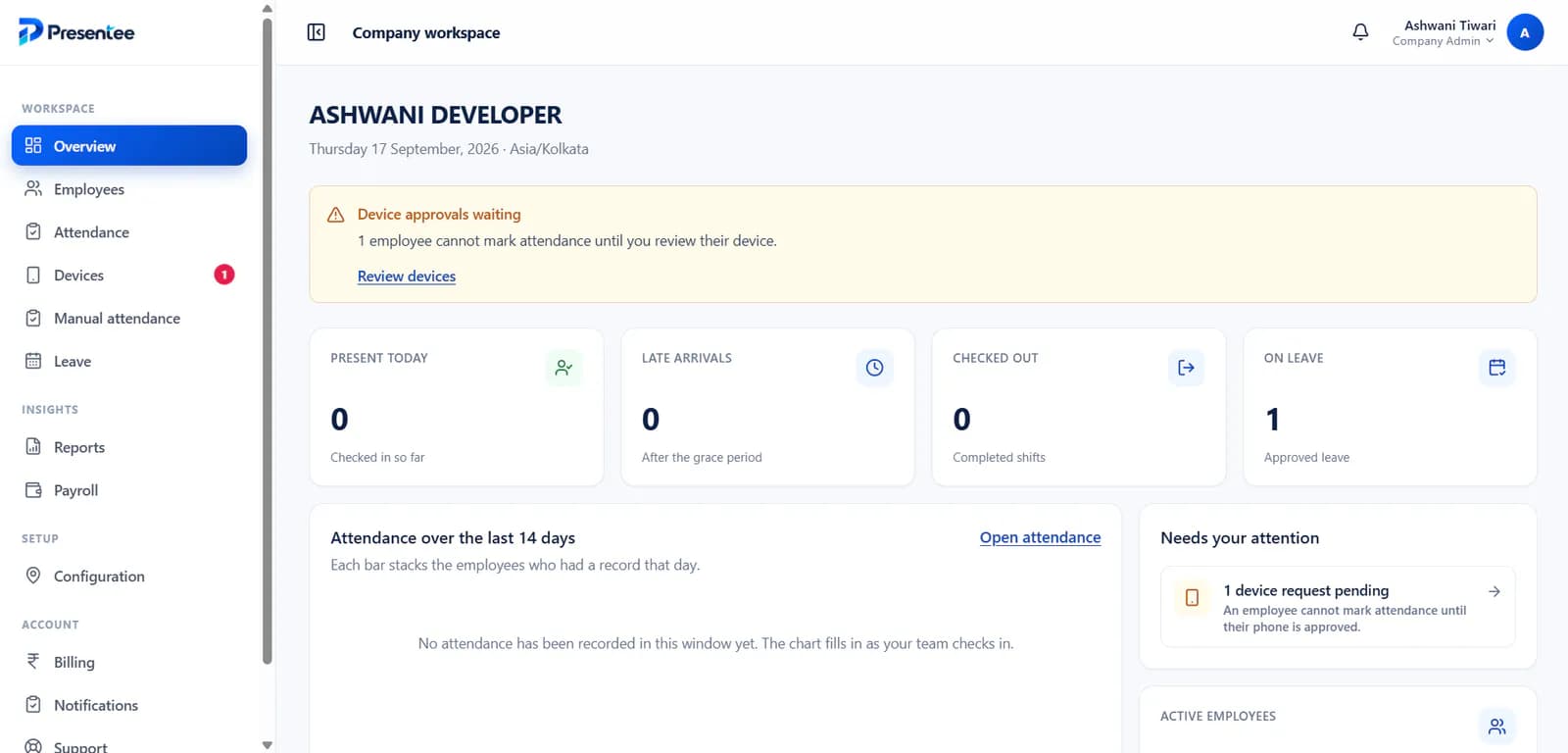
- Dashboards and admin panels: data-heavy interfaces with many forms and tables.
- CRM and workflow tools: role-based software with leads, tasks, and reports.
- Real-time features: chat, notifications, and live updates.
- MVPs and startups: fast iteration with a small team.
- APIs shared by web and mobile apps: one backend can serve a website and a React Native app.
A real example is Track Time CRM, a MERN-based product with automated deployment.
When MERN is not the best choice
- Highly relational data with strict transactions, such as complex accounting, where a relational database like MySQL or PostgreSQL is often a better fit.
- Simple brochure sites, where a lighter setup or WordPress may be cheaper. See Next.js vs WordPress.
- Heavy computation or machine learning, which may belong in a Python service connected by API.
Is MongoDB reliable enough for business data?
Yes, when designed properly. Good practice includes schema validation, indexes on fields you search by, regular backups, and access control. The risks come from careless design, not from the database itself.
What to ask a MERN developer
- How will you structure the data so it stays consistent as the product grows?
- How are authentication and role permissions enforced on the server?
- How will the app be deployed, monitored, and backed up?
- How will SEO be handled for public pages?
Next steps
MERN is a strong default for custom web applications, and it is one of the core stacks offered in website and web application development. Describe what you want to build and you will get an honest recommendation on the right stack, even if it is not MERN.