Healthcare App Development in India: Features, Compliance, and Integrations
Building a healthcare app in India: patient and doctor features, teleconsultation, records, reminders, ABDM integration, data protection, and lessons from health-tracking apps.
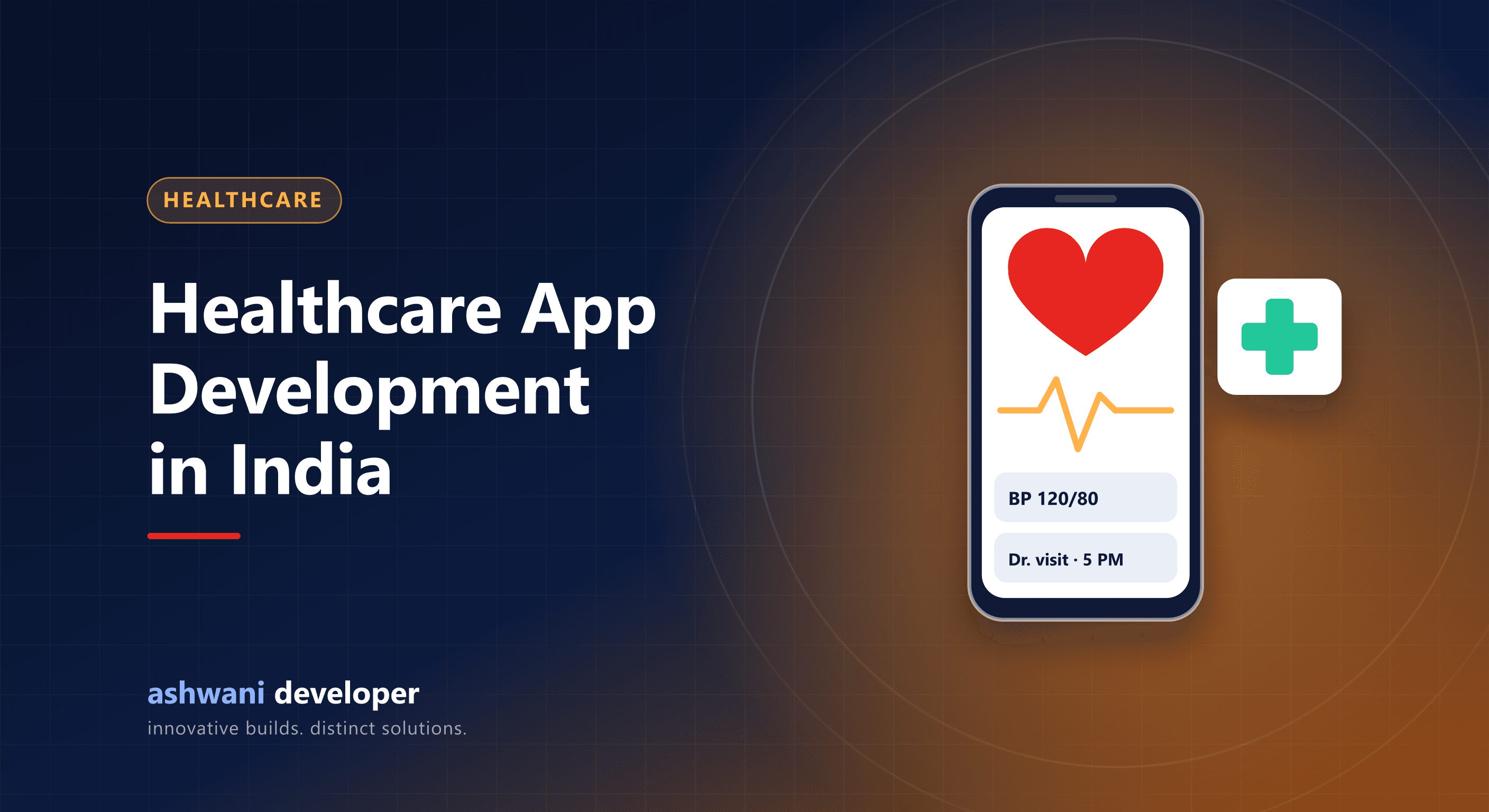
Quick answer: a healthcare app typically combines appointment booking, teleconsultation, prescriptions and records, reminders, and payments, built with strong security and privacy from day one. In India, consider integration with the Ayushman Bharat Digital Mission (ABDM) for health records, and follow telemedicine and data protection rules.
Common healthcare app types
- Clinic and hospital apps: booking, queue status, reports, and payments.
- Telemedicine: video or chat consultations with e-prescriptions.
- Health tracking: vitals, symptoms, activity, and medication adherence.
- Diagnostics: test booking, sample collection, and report delivery.
- Pharmacy: prescription upload and medicine delivery.
Core patient features
- Profiles for the patient and family members.
- Doctor search and appointment booking.
- Video consultation with stable performance on weak networks.
- Prescriptions, lab reports, and visit history in one place.
- Medication and appointment reminders.
- Secure payments and invoices.
Doctor and admin features
- Schedule and availability management.
- Patient history before each consultation.
- Digital prescription templates.
- Admin dashboards for appointments, revenue, and staff.
Compliance and safety
- Telemedicine practice guidelines in India govern how registered practitioners consult and prescribe remotely.
- Data protection: health data is sensitive. Collect minimal data with clear consent, encrypt data in transit and at rest, restrict access by role, and log access, in line with India's data protection framework.
- Medical accuracy: content and any automated advice should be reviewed by qualified clinicians and avoid diagnostic claims the app cannot support.
ABDM integration
The Ayushman Bharat Digital Mission enables ABHA health IDs and consent-based sharing of health records between providers. Integrating can make records portable for patients, but requires following its technical and certification processes.
Real-world experience
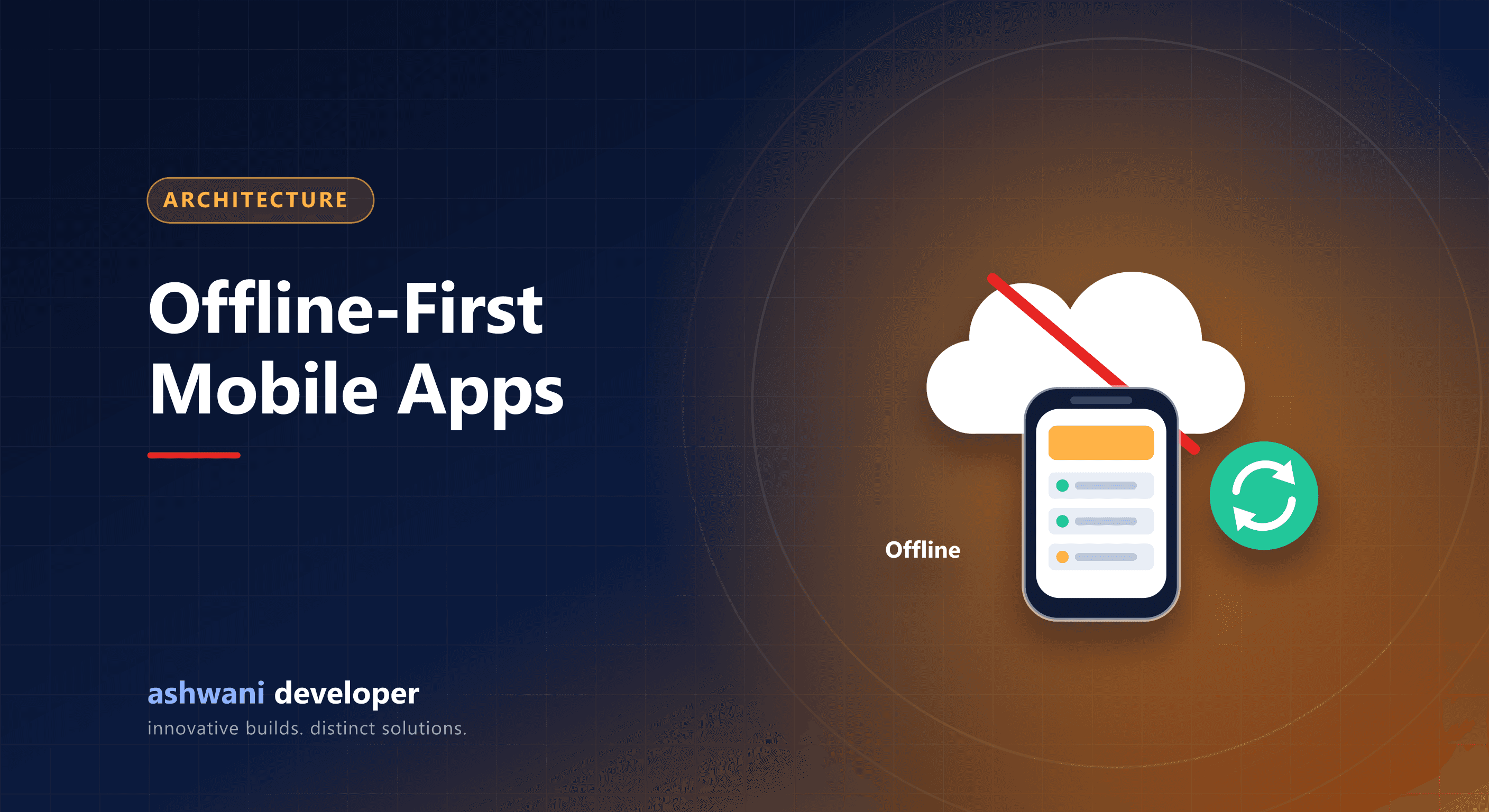
Health-tracking apps, such as the location-automated tracking app built for DIPAS DRDO, show why reliability matters: data must sync correctly on poor networks, background features must respect battery limits, and the backend must be secure and auditable. Offline-first design is often essential; see offline-first mobile apps.
Related reading
Building a healthcare product? See app development or share your idea.