All insights
Taxi and Ride Booking App Development: Features and Architecture
How taxi and ride booking apps work: rider app, driver app, admin panel, real-time matching, live tracking, fare calculation, payments, and safety features, plus how to launch in one city.
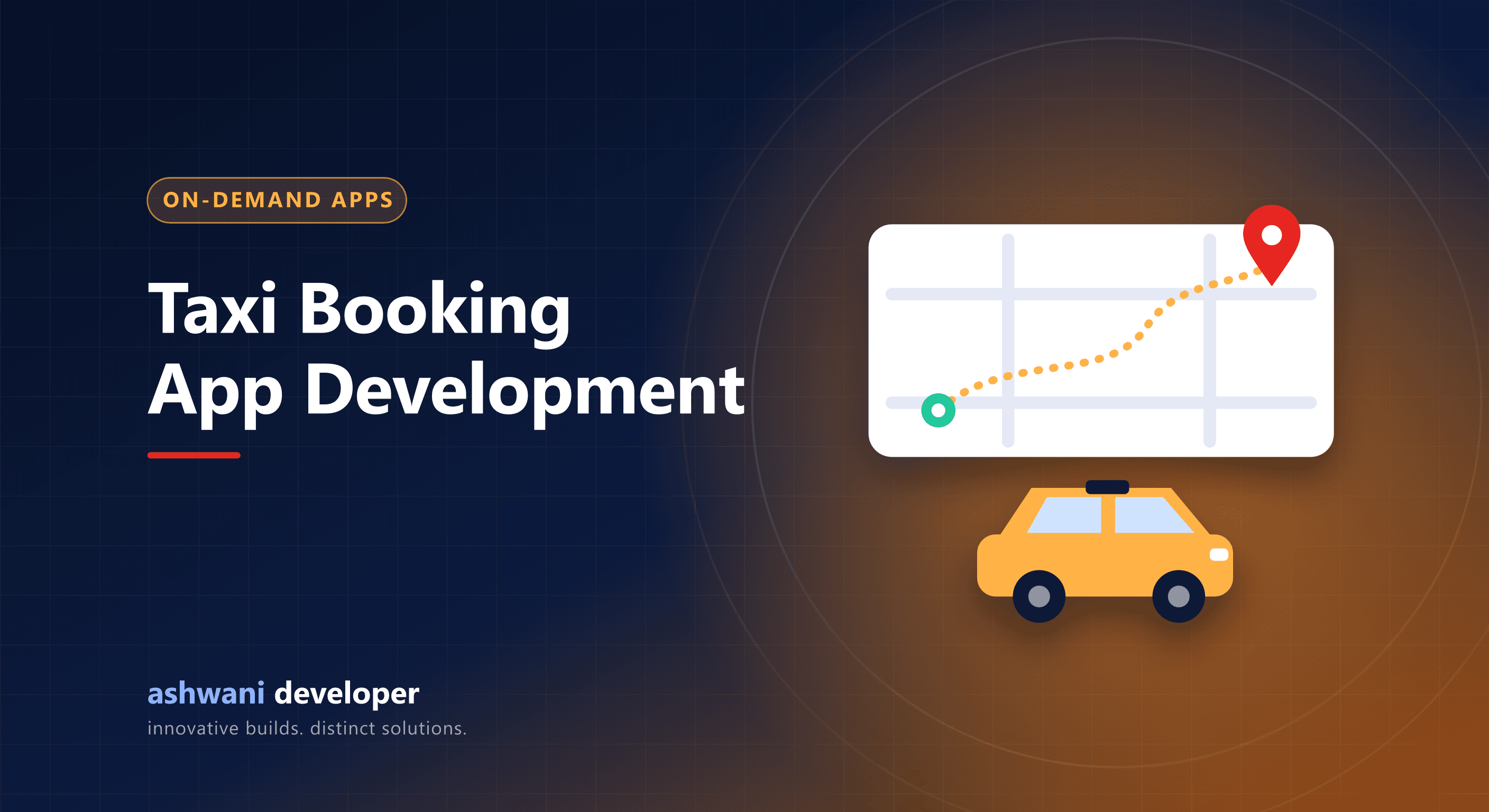
Quick answer: a ride booking platform has a rider app, a driver app, and an admin panel, connected by a real-time backend that matches riders to nearby drivers, tracks trips live, calculates fares, processes payments, and handles safety and support.
Ride booking apps are a classic on-demand product. Many opportunities today are niche: corporate employee transport, airport transfers, outstation trips, school transport, or vehicles for a specific city. The core architecture is similar for all of them.
Rider app
- Phone OTP signup and saved places.
- Pickup and drop selection on a map with fare estimate.
- Vehicle categories and scheduled rides.
- Live driver location, ETA, and driver and vehicle details.
- UPI, card, wallet, and cash payments.
- Ratings, trip history, invoices, and support.
- Safety: share trip, emergency contact, and SOS.
Driver app
- Document upload and verification.
- Online and offline toggle, ride requests with accept or decline.
- Turn-by-turn navigation handoff.
- Trip start with OTP, trip end, and fare summary.
- Earnings, payouts, and incentives.
Admin panel
- Driver onboarding and verification.
- Fare rules by zone, vehicle type, time, and surge.
- Live map of drivers and trips.
- Refunds, disputes, promotions, and reports.
Architecture essentials
- Real-time location: drivers send location updates; the backend stores recent positions and broadcasts updates over WebSockets.
- Matching: find nearby available drivers using geospatial queries, then offer the ride with a timeout.
- Trip state machine: requested, accepted, arrived, started, completed, cancelled, with clear cancellation rules.
- Fare engine: base fare, distance, time, waiting, tolls, and surge.
- Payments and payouts with webhook verification; see payment gateway integration.
- Background location on Android must handle battery optimisation and permissions carefully.
Launch strategy
Start in one city or a single use case, such as airport transfers, with a small verified driver base. Prove reliability, then expand. Supply and trust matter more than features at launch.
Related reading
- Food delivery app development (similar real-time architecture)
- MVP app development for startups
Planning a mobility product? See app development or describe your use case.